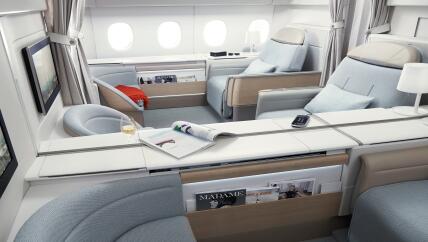
The Difference Between Flying Business Class and Flying It Well
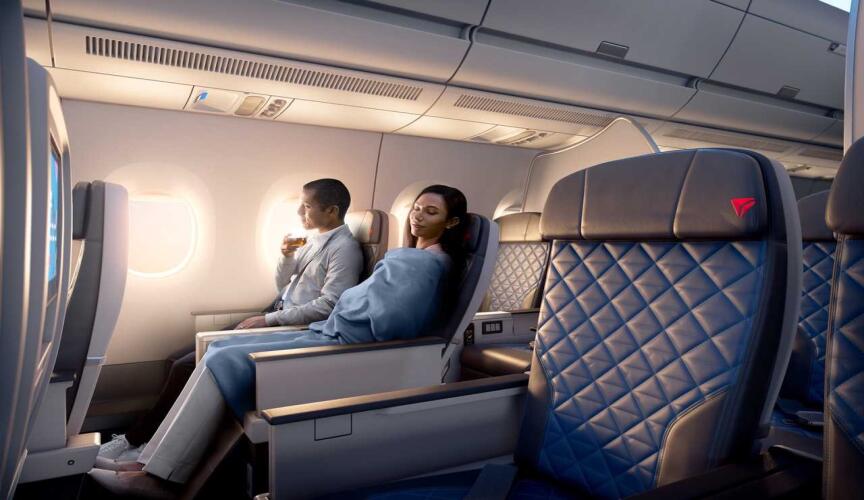
Flying in business class doesn’t guarantee that you will arrive well rested. While flying comfortably can certainly help, where you sit, when you sleep, and what you eat matter too. Flying business class and “flying it well” can mean the difference between sleeping on your next flight and wishing you could.
Flying Well Starts Before You Board
We researched everything from travel articles to tips from frequent flyers to understand why some flyers arrive refreshed after flying business class while others do not. Here is what we learned:
Flying business class does not guarantee you’ll sleep on a plane.
First things first: while flying business class can help you sleep better than Economy, experts all stress that it does not guarantee sleep. Insider sites note that while more room (a bigger seat or lie-flat bed) definitely helps passengers catch more Zzzs, if you are someone who normally struggles to sleep anywhere other than your bed at home, you may still have difficulty sleeping.
Even sitting in a spacious business-class seat may not solve the problem. If you’re a person who has to have absolute darkness and quiet when you sleep, you’re gonna struggle even in first class. You still may have difficulty sleeping, but there are lots of things you can control to increase your odds.
Choose Your Seat and Sleep Schedule Wisely
Comfortable seats aside, sleeping on a flight starts with where you choose to sit. While most experts agree that a true lie-flat bed is the biggest benefit of business class flying, your seat location also matters. When possible, snagging a window seat can help you sleep: leaning on the window-side arm rest means passengers won’t be bumping you as they move about the cabin. Experts also note that sitting farther away from the galley and lavatories will mean less noise and foot traffic.
In a nutshell, pick a window seat and avoid seats near bathrooms. Seats that maximize privacy and stability also help. For example, an aisle seat at the very front of a business class cabin might let passengers easily bump you as they reach for bags. All that said, try to pick a window or middle seat towards the back half of the cabin if possible. Avoid seats near galleys or crew entrances for maximum peace and quiet.
Sleep schedule matters too. Align yourself with your destination time zone instead of “plane time.” For instance, if you arrive at night, prioritize sleep on your flight. If you arrive in the morning and need to stay awake, try only banking a short nap. Conversely, if you need to sleep on your flight to arrive refreshed, don’t aim to both sleep on the flight and stay awake: pick one and commit to that plan. Many frequent flyers even schedule their meal times (and sometimes skip meals) based on their destination schedule.
Get Started on Good Habits Before Sleeping
Beyond seat selection, there are a number of smaller decisions that will help you sleep on a plane. What you eat and drink onboard matters a lot, for instance. While booking business class will give you access to high-quality (and higher-calorie) meals, that three-course dinner can cost you precious sleep time if you feel the need to stay awake to finish it. A delicious business class dinner can cost you 2 hours of sleep.
Many passengers minimize sleep disruptions by eating a small meal or snacks before boarding, then getting to bed as soon as the seat lies flat. You can even ask flight attendants not to wake you when meal service starts if you plan on sleeping through. Avoid caffeine and alcohol before trying to sleep too. Both can interfere with sleep (in alcohol’s case, by letting you fall asleep faster but waking up frequently later on). The general advice here would basically be: avoid alcohol before bed. Instead, drink plenty of water. Not only can dehydration make you tired and cause headaches, cabin air is very dry which dehydrates you faster. Drink water, then drink some more, then drink even more.
Want more tips for sleeping on planes? Dress comfortably and bring the right gear. Avoid stiff jeans and clothes that won’t allow you to stretch out. Instead, dress in layers of loose-fitting clothing you can remove if the cabin becomes too warm or cool. If possible, travel with an eye mask, ear plugs/headphones, and travel blanket. One travel luggage site recommends putting together “sleep kits” with ear plugs, an eye mask, and headphones to dampen noise and light. Also, try wearing comfortable clothing and packing noise-cancel headphones. These are widely considered two of the most important steps to sleeping on a flight. Putting on an eye mask after you’re settled in your seat and powering down electronic screens can also help your body know it’s bedtime.
If You’re Going to Sleep, Plan to Sleep
You can also take steps before your flight to help you sleep on the plane. For instance, if you want to sleep after takeoff, eat a meal in the airport lounge or airport before boarding so you aren’t hungry when the flight begins. That way you can tune out dinner service announcements and get to bed sooner. Additionally, stretch before getting on the plane. Moving around and getting your blood flowing in the airport can help you unwind once you sit down.
You should also plan to sleep well after you arrive by following the time at your destination as much as possible. Move around after you land, get outside into the sunshine, and resist the urge to nap if you arrive during the day. Experts recommend that upon arrival, you fight your body’s desire to sleep by staying up until the evening at your destination. Travel and jet lag experts alike recommend booking a hotel activity or dinner for when you land. That way, you have no choice but to stay awake until your evening meal.
Fly Business Class The Smart Way
To summarize: sleeping well in business class means planning ahead, both on and off the plane. Passengers who sleep on flights often carefully select their seat and bedtimes to match their destination’s schedule. They skip or save dinner until later, dress for sleep, and pack masks and sleeping kits. Conversely, flyers who sleep poorly on their flights “wing it” when they board, watching videos until the caffeine jet lag headache hits.
At Travel Business Class, we want you to get the most out of your flight (and ticket price). Sure enough, you can save big on the former by packing well and following these tips. But we can help you with the latter too. Travel Business Class is an airline booking website that specializes in helping travelers find steeply discounted business class fares.
In addition to saving you money, we often have recommendations on specific flights that might better match your “flying it well” strategy. Whether that means selecting flights that arrive in the evening (or morning) so you can sleep on your flight, or picking an airline that flies certain planes with superior lie-flat beds, we can help. Leave the research up to us, and sleep like a baby on your next flight.